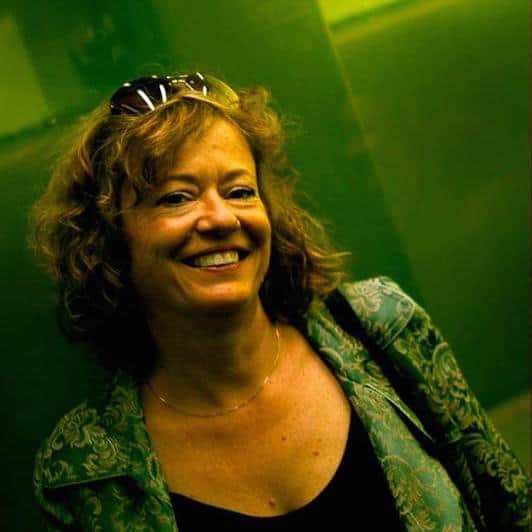
Eastern Ripples. This signpost for a recital given by two exemplary instrumentalists was most alluring. Known for her exceptional artistic programming, Lisa Moore presented a freshly designed, stimulating event where she curated music having roots in Eastern Europe, music by 20th century and contemporary composers, music which was innovative yet also honoured spiritual, nostalgic and historic connections. The flow of the program was not only intelligently designed, but felt perfect.
Seven Preludes for Piano by Scriabin (from 1895 – 1914) were performed in approximate chronological order, essentially revealing a development of the composer’s style. From Op 11, Prelude No 5 was a very beautiful opening choice – calm, sensitive, relaxing and floating at times, with gentle touches of Romanticism. Op 11 No 13 added more touches of colour and fullness of tone, leading the way for Op 27 No 2 to explore and search for freedom and sensuality. In Prelude Op 48 No 2, the ripples in nature were highlighted as colourful chord clusters floated in the piano’s upper registers, hinting at atonality then calmly resolving above an exploring walking bass line. Preludes from Op 51, 74 and 33 revealed a more contemporary architectural structure in chromaticism and atonality, with assertive, short, sharp hammering chords, more power and vibrancy, emphasised climaxes and increased pedalling to sustain depth and resonant overtones.
Audiences enjoy a heartfelt personal connection when performers choose special repertoire composed by their own respected friends and work colleagues. Kats-Chernin’s popular Russian Rag (1995) gave Moore an opportunity to add a very individual gentle, free and expressive interpretation to this popular nostalgic piece. The usual sharper colours and quirky theatrical jazz feel of many other versions of this piece were softened in the mists of time, chords lingered with softened colours, rhythms were leisurely and warm, sweeter memories lingered. Having also worked with Philip Glass, his Etude No 2 again allowed Moore to shape the work with her own expression and vitality. Approaching this piece as a personal piece of living art, repetitive elements were explored with superb technical and emotional control. A lengthy, steadily growing crescendo forged the path with a powerful rise of dynamics requiring great pianistic control and interpretation as these new and living elements resolved and separated into closing sounds and silence. My favourite of Glass’ Etudes, this choice also excited the audience who strongly applauded Moore’s performance. The more we hear works by living contemporary composers, the more we relate to them as living art.
Joined by violinist Anna McMichael, Moore asked for different timbres from the grand piano for Bartok’s Six Dances in Bulgarian Rhythm (1935). The duo flexed their muscles and enhanced every element of these brilliantly written works with precision and virility. Clear and robust alternating dance beats, percussive fractured motifs, florid passages and unequal time and rhythmic sub-groups were spot on. The final Dance No 6 took us to a dramatic and exciting finale where the virtuosic skills of both players were highly impressive.
Given the remoteness and the geographical vastness of Eastern Europe and the political climate and intense rise of nationalism in the early 20th century, not surprisingly the sources for musical inspiration were the folk-song tradition, the thrilling rhythms from local dance and spoken language, and the reality of living close to the earth and nature. Janacek may have been the last great composer to explore the energies of folk traditions. Highly appreciated and performed in his day, fewer opportunities come for us to hear pieces such as his very wonderful Sonata for Violin and Piano(1922). This captivating work highlights abrupt changes in rhythm and tempo, and uses brief melodic motifs and fragmented rhythms to transform Czech melodies with interrupted and accented speech rhythms. Urgent themes and sudden dynamic flourishes were referenced and woven into each movement with vigorous dance rhythms keeping us fully alert. The second movement in particular stood out. Ballade – Con Moto was coloured with the beauty and reflections of nature as McMichael’s violin took the lead in aria-like melodic work, adding a warm lyrical melody above Moore’s oscillating broken chords. We felt the colder climate from the piano’s sparkling upper register trills and ornamentation, adding space and an almost static colour and eerie timelessness.
A World Premier performance of composer Martin Bresnick’s Mayn Rue Plats (2020) was a contrasting but fitting close to the program. The title, Yiddish for “My Resting Place” comes from a poem by Morris Rosenfield, expressing his response to the dismal world of the industrial workers in New York. In seeking a sweeter resting place, the violin is given recitative-like themes derived from soulful Yiddish folk songs. McMichael brought great tenderness, beauty and faith to this affective work with superb intonation and style. Moore again gave the grand piano new timbres with a prominent singing style of playing and crystal clear and contemporary tones. Hints of despair, pessimism and pathos in soft discordant shapes were balanced with melodic resilience and harmony. A lovely resting place was found.
Image supplied.
___________________________________________________
Julie McErlain reviewed Eastern Ripples, performed by Lisa Moore, Piano, and Anna McMichael, Violin, at the Athenaeum 2 Upstairs on February 25, 2021. This recital was also streamed live via Melbourne Digital Concert Hall.